
Okay, so check this out—I’ve been messing with hardware wallets for years. Wow! I mean, between the bulky devices, seed phrases scribbled on paper, and the ones that feel like tiny calculators, card wallets stood out to me fast. My instinct said they’d be simple and slick, and honestly they mostly are. Initially I thought they were just a gimmick, but then I started using one in my daily carry and things changed.
Here’s the thing. Card wallets give you a physical object that behaves like a credit card. Seriously? Yep. You tap your phone, sign a transaction, and walk away. Short learning curve. Medium security benefits. Longer-term usability advantages that kick in over time when you stop forgetting where your seed was stashed (true story). On one hand, they don’t look like a “hardware wallet” which is nice for privacy. Though actually, they also force you to think differently about backup and recovery.
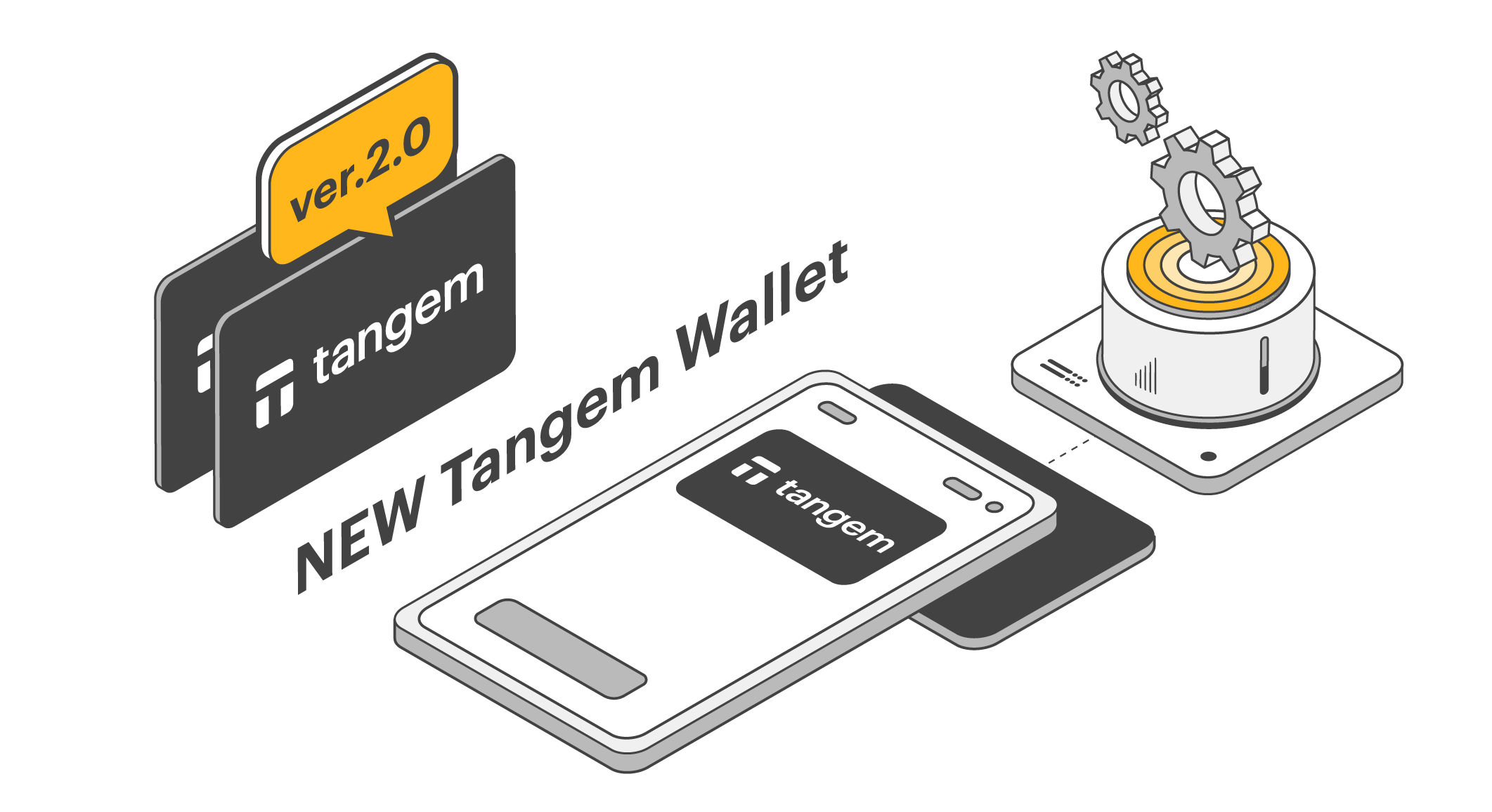
How card wallets change cold storage habits (and why I recommend trying one)
When people talk about cold storage, most picture metal plates, split-word seeds, or a ledger device locked in a safe. Hmm… there’s a better middle ground. A card wallet is offline by design and uses secure chip technology to store keys, while still letting you approve transactions via NFC on your phone. For a hands-on option that blends convenience with hardware-grade security, check out tangem wallet. It felt natural to slip into my wallet, like a grown-up NFC keycard—no cables, no dongles, no fuss.
Some practical pros: fewer single points of failure, less temptation to copy a seed into some digital place, and a user experience that mirrors everyday payment habits. Shortcomings exist too. For advanced multi-sig setups or complex backup strategies, card wallets can be limited unless paired with additional tools. Also, depending on the model, firmware updates and vendor practices matter a lot—so vet the brand. (Oh, and by the way… keep that card in more than one secure place if you value redundancy.)
Let me be blunt: I like the feel of one in my wallet. I’m biased, sure. But preference aside, card wallets push people toward a more tangible, less-cloudy relationship with private keys. That matters when you’ve lost small fortunes to phishing or cloud snafus. My neighbor once lost access because he synced his seed to a notes app—don’t do that. A physical card helps avoid somethin’ like that. Very very true.
Security trade-offs and real-world risks
Security isn’t binary. A card wallet reduces attack surface in many ways, but it doesn’t eliminate human error. Short sentence. If you lose the card but kept the backup safe, you’re fine. If both are compromised, you’re not. On one hand, cards are great because they don’t expose private keys to your phone. On the other hand, you still need a recovery plan: paper, metal backup, or a secondary card stored separately. Initially I thought a single card would be enough, but then I realized that redundancy matters more than convenience—especially for higher balances.
Another thing that bugs me is expectation mismatch. People assume “cold” means hacker-proof. Seriously? No. Cold just means offline and less accessible to remote attackers; human factors still rule the day. Phishing, social engineering, and misplacing physical backups are the usual culprits. Also, check vendor transparency on secure element sourcing and key management. If they won’t answer clear security questions, pass. Trust but verify, as my old engineering manager used to say.
UX and everyday use
For everyday small transactions, a card wallet is elegant. Tap. Confirm. Done. Small trades at centralized exchanges or quick DeFi approvals are simpler, and you don’t have to carry a separate device or cables. Syncing with mobile wallets that support NFC is critical though. Compatibility varies across apps and coins, so test before you commit. Heads up—some people get tripped up by firmware quirks or phone compatibility issues, especially on older Android models.
Also, there’s a tactile satisfaction that matters. That may sound silly. But the weight and firmness of a card can change how you relate to your funds. I noticed I respected my crypto more when it was something I could physically hold. Maybe that’s psychological, but it’s real enough.
Quick FAQ
Is a card wallet as secure as a hardware device like a Ledger?
Short answer: comparable in many respects. Long answer: it depends. Card wallets use secure elements similar to other hardware wallets, but security ultimately depends on implementation, vendor practices, and your backup strategy. On paper, both can offer strong protection.
What happens if I lose the card?
If you set up a recovery method properly—seed phrase or secondary card—you can restore access. If you lose both the card and the only backup, recovery is impossible. So don’t skip backups. Seriously—please don’t.
Are card wallets for beginners?
They’re approachable, yes. The NFC flow is intuitive. But beginners should still learn basic key management and backups before trusting significant funds to any single device.
In the end, a card-style NFC cold wallet is an excellent middle-ground for people who want strong security without the gizmo fatigue. My final take: try one as part of a layered strategy—use it alongside proper backups and, if needed, multi-sig. I’m not 100% sure any one solution is perfect, but this approach hit the right balance for me. Things change fast in crypto, though, so stay curious and keep reviewing your setup.