
Okay, so check this out—hardware wallets usually make me think of tiny USB drives and a lot of button-pressing. But the Tangem crypto card flips that on its head. It’s literally a credit-card-sized device that stores your private keys and talks to your phone over NFC. Simple. Clean. No cables. No seed phrase sticky notes on your fridge (please don’t do that).
First impressions matter. My instinct said this would feel gimmicky. But after digging into how Tangem pairs with an app, how the NFC interaction works, and what the user flow looks like, I was pleasantly surprised. The experience is straightforward and actually approachable for people who aren’t hardcore crypto nerds. That said, it’s not a magic safety blanket—there are trade-offs worth thinking through.
Here’s what I want to cover: what the Tangem setup looks like, how the Tangem app and Tangem wallet work, the real-world security story, where the card shines, and where it falls short. I’ll be honest—I’m biased toward hardware security, but I’m also picky about usability. So I’ll flag the parts that bug me along the way.
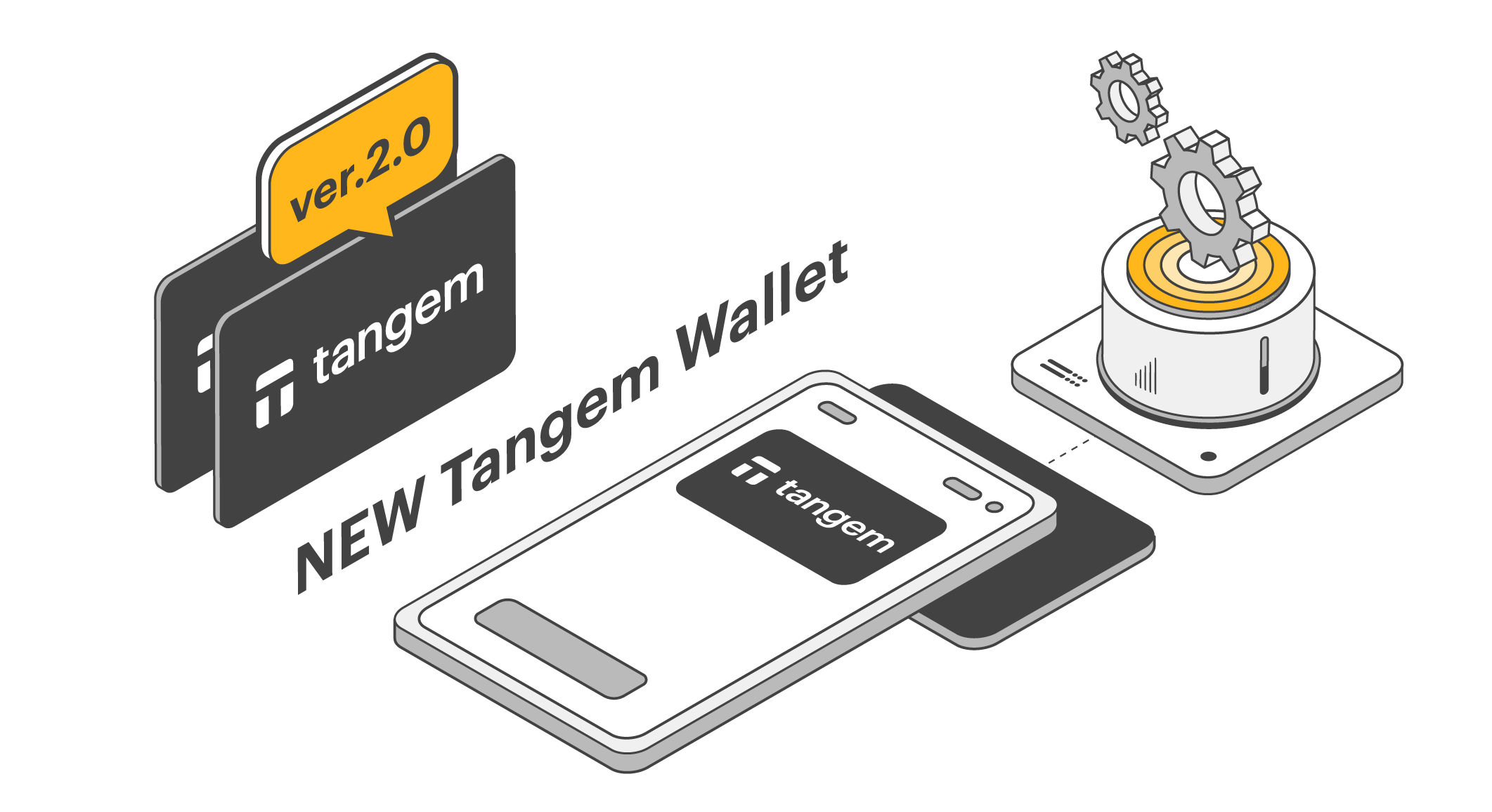
How the Tangem App and Card Work Together
The Tangem ecosystem is essentially two parts: the Tangem card (the physical NFC card) and the Tangem app (the mobile wallet you use to interact with the card). When you tap the card to your phone, the card performs cryptographic signing. Your private key never leaves the card. Pretty neat.
Setup is largely app-driven. You open the Tangem app, tap the card, and the app reads the public key and card ID. From there you create a wallet entry in the app. There’s no seed phrase to write down because each card generates and stores its own private key. That reduces a class of user mistakes—no lost seed phrase—but it introduces others, like card loss.
So: pros and cons fast. Pro—very easy onboarding, low risk of user error during seed backup. Con—if the physical card is lost and you didn’t set up a recovery card or some other plan, recovering funds can be tricky. Something felt off about the “no seed phrase” pitch at first. Actually, wait—let me rephrase that: the card removes one big user mistake, but you must replace it with another good habit (like making redundant Tangem cards or using multisig).
Security: Practical, Not Perfect
Let’s be clear—Tangem cards use secure elements and are designed to resist tampering. The private key signing happens inside the chip. On paper, that’s very strong. In practice, security depends on your threat model.
If you’re protecting everyday savings from online hacks and phishing, the Tangem card is a huge step up from leaving keys in a mobile wallet or an exchange. If you’re defending against a state actor with sophisticated lab equipment, then no consumer card is bulletproof. On one hand, the sealed hardware and NFC-only interface limit attack vectors. On the other hand, physical possession matters—a lost card is a real risk.
Another nuance: the card doesn’t rely on a mnemonic phrase. That removes the human error vector, but it also changes recovery strategy. Many users overlook that until it’s too late. For serious holdings, consider pairing the Tangem card with a multisig setup or keeping a second card in a trusted, separate location. On the very practical side—keep the card’s serial number and registration details saved somewhere secure. Sounds boring, but it’s useful.
Using Tangem Day-to-Day
Tap your phone. Approve a transaction. That’s the loop. It’s intuitive for contactless payments and regular transfers. NFC means you don’t need OTG adapters, cables, or desktop apps. Nice for travel—if your phone supports NFC, you’re good.
But there are limitations. Not all wallets and dApps integrate seamlessly. The Tangem app supports many chains natively, but if you want to do advanced DeFi interactions, you may hit compatibility walls. In those cases you’ll need to use bridge software or rely on third-party integrations, which can complicate the “simple and secure” promise.
One more practical tip: firmware updates. They do happen. Keep the app updated and follow manufacturer guidance. It’s a small chore, but skipping updates can leave you with usability or compatibility issues down the road.
Who Should Use Tangem?
If you want secure, everyday storage for a modest crypto stash and you value simplicity, Tangem is a strong candidate. It’s perfect for people who like the physical metaphor of carrying a card and who dislike managing recovery phrases. Think: travel-friendly, giftable (you can hand someone a card with preloaded funds), or as part of a layered security approach.
If you’re a power user—managing multiple multisig vaults, interacting constantly with complex DeFi protocols, or holding very large amounts—the Tangem card can still be part of your plan, but you should integrate it into a broader strategy (cold multisig, air-gapped signing, institutional-grade backups).
Where to Learn More
If you’re curious and want to read up on practical guides and official details, here’s a focused resource that compiles setup steps and tips: https://sites.google.com/cryptowalletextensionus.com/tangem-wallet/ —the material there helped me flesh out a couple of edge cases I hadn’t thought through initially.
Also: consider getting a spare card. Seriously. Two cards stored apart gives you a simple recovery path without relying on seed phrases. Multisig is superior if you want to prioritize security over convenience, but two identical Tangem cards kept in separate secure locations is a pragmatic middle ground.
FAQ
Can someone clone my Tangem card by tapping it?
No. The private key is stored in a secure element that does not reveal the key material over NFC. The card only signs transactions; it never exports private keys. Physical cloning of a properly manufactured secure element is extremely difficult and requires specialized equipment.
What happens if I lose my Tangem card?
If you lose a single card and it’s your only key, recovering funds is difficult unless you prepared a backup (a second Tangem card, multisig, or other recovery plan). So treat the card like cash or a physical key—store backups securely.
Is the Tangem app required?
The Tangem app provides the easiest interface for setup and daily use. Some third-party wallets support Tangem cards for signing, but the app simplifies firmware updates, card registration, and basic management.