Okay, so check this out—Solana moves fast. Really fast. Transactions that would clog other chains zip through here, and at first glance that feels like a superpower. Whoa! But power without clarity gets messy, and that’s where explorers matter.
My first impression of Solana explorers was: slick dashboards but somethin’ missing. Hmm… transaction hashes were easy to find, yet context was sparse. Initially I thought raw throughput was the endgame, but then I realized users need traceability, NFT provenance, and wallet behavior views. Actually, wait—let me rephrase that: speed is great, but without tools to parse what happened, speed alone creates friction for developers, traders, and collectors.
Here’s the thing. When you watch a wallet move 10 NFTs in a few blocks, you want the story. You want confirmations, token mint data, and program logs without digging for hours. Seriously? Yes. On one hand the network is technically impressive; on the other, the UX for curiosity-driven investigation can be rough. So I started relying on a few explorers that stitch logs, account history, and token metadata together—hence this guide.
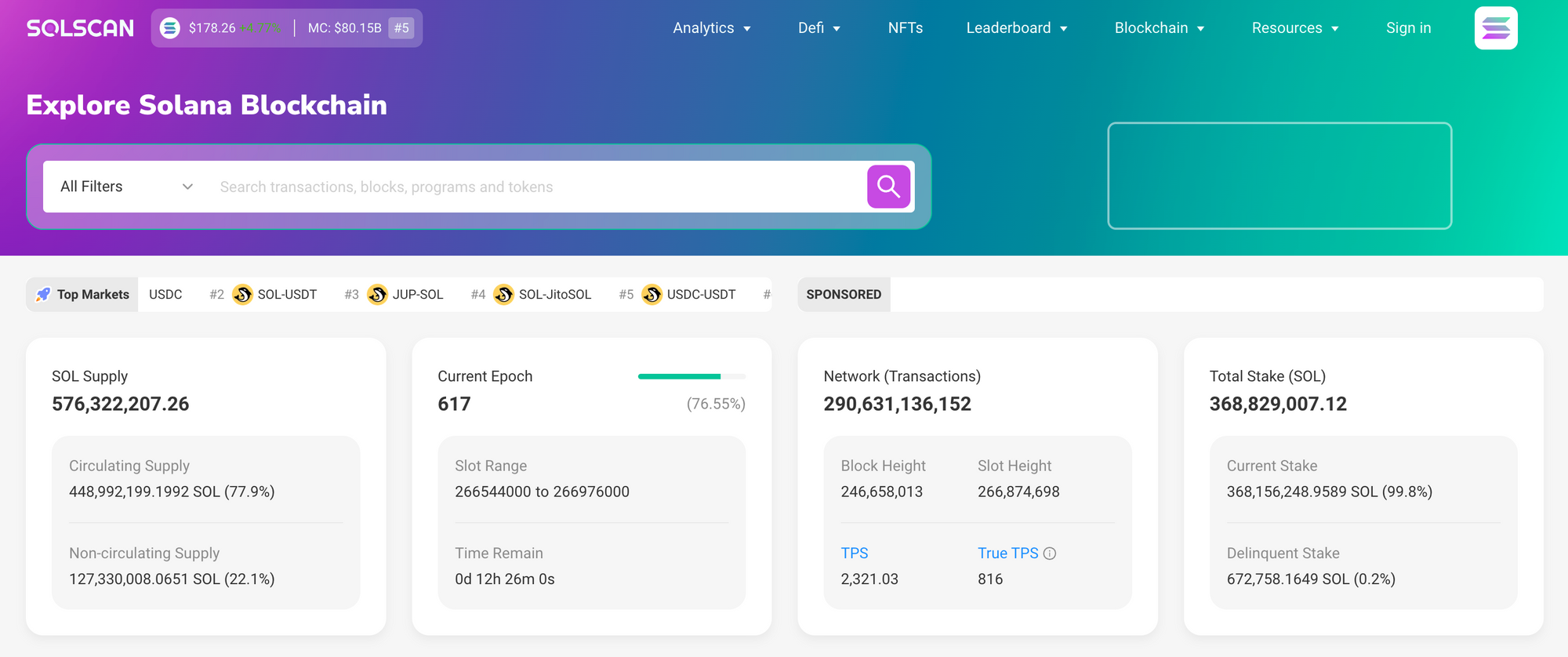
Solscan is one of those tools that grew into usefulness. I won’t pretend it’s flawless. I’m biased, but its NFT tracker and transaction inspector are among the more practical implementations I’ve used. Something about the interface—clean, quick, and pragmatic—helps. (Oh, and by the way… the search is forgiving, which is a small thing that helps a lot.)
How to read a SOL transaction like a pro (using Solscan)
Start with the signature. Short—just a string—but it unlocks the whole event. Then check block height and timestamp; those tell you the when. Next step: inspect inner instructions and program IDs to understand which on-chain program did what. If you’re tracking NFTs, pay close attention to token mint addresses, metadata program calls, and accompanying account creations.
Why metadata matters: it binds an NFT to its off-chain or on-chain assets and creators. Without that link, ownership records are just numbers. On top of that, devs will want to inspect logs for failed transactions or CPI (cross-program invocation) chains. That’s critical when you’re debugging a smart contract or validating a marketplace transfer.
Pro tip: use the “Signatures” and “Instructions” tabs together. They give you both the macro and micro perspectives. At the macro level you see wallet flows; at the micro level you see individual calls to token programs or custom contracts. Hmm, my instinct said to always cross-check both—because sometimes a token move is actually a wrapped SOL dance.
Solscan’s NFT tracker brings those pieces into one spot. It surfaces transfer history and links to metadata where available. That alone saves time. If you’re a collector or compliance analyst, this is very very important. It reduces the need to jump between raw RPC queries and fragmented UIs.
Curious how marketplaces show up? Look for program IDs tied to marketplaces (like Metaplex-based ones) and note buyer-seller interactions. Initially I assumed prices would be front-and-center, but actually price context—floor history, royalties, and fee breakdown—is what gives meaning to a sale. Wallet clusters and label data help too; it’s easier to spot wash trading or bots when addresses are annotated.
Okay, light technical bit—bear with me. Solana transactions can include multiple instructions packed into a single signature. That efficiency matters for fees. For analysis, though, it demands a parser that shows instruction-by-instruction state changes, rent-exempt account creations, token account initializations, and post-transaction balances. Without a clear trace, you’re left guessing if an NFT transfer was a straight move or part of a complex arbitrage.
One thing that bugs me: not all explorers surface program logs equally. Some hide logs behind extra clicks or require knowledge of which validator to query. I think explorer teams should default to transparency. That said, Solscan often exposes logs and CPI trails in a readable format, which is why I link its official page here for people who want to dive deeper: https://sites.google.com/cryptowalletextensionus.com/solscan-explorer-official-site/
Reality check—no tool is perfect. If you’re doing forensic analysis, combine on-chain explorer data with off-chain signals: marketplace APIs, Twitter threads, and provenance records. On the other hand, for everyday tasks—verifying a deposit, checking an NFT transfer, or confirming a smart contract call—an explorer like Solscan usually covers 80% of your needs quickly.
Common pitfalls and how to avoid them
First pitfall: mistaking token accounts for mints. Short note: token accounts are owner-bound; mints are the token’s identity. Second pitfall: relying solely on timestamps without checking block confirmations. Blocks can reorg, though it’s rare on Solana; still, confirm across multiple signatures. Third pitfall: trusting labels blindly—watchlists and heuristics can mislabel front-runners or custodial services.
Another tip: if you’re tracking NFT provenance, don’t ignore off-chain metadata links. IPFS and Arweave anchors are often referenced in metadata URIs; verify both on-chain pointers and the hosted content. I’m not 100% sure all metadata will always be preserved, so redundancy matters. Lastly, when you see an unusual fee spike, investigate inner instructions—there could be multiple instructions or rent for new accounts.
FAQ
How do I verify a Solana transaction is final?
Check the block confirmations and cross-reference the slot number. Then look at the transaction status and program logs for any partial failures. If possible, confirm across multiple explorers or nodes—it’s a small extra step that cuts ambiguity.
Can I trace NFT history reliably on Solana?
Yes, but with caveats. Use the mint address and follow token account transfers. Combine on-chain metadata checks with marketplace sale records. Some records are cleaner than others, so treat early or obscure mints with extra skepticism.
What’s the fastest way to spot suspicious wallet activity?
Look for repeated micro-transfers, synchronized timing across wallets, and rapid NFT flipping. Labels and cluster analysis help. Also, check CPI chains in transaction logs—bots often trigger multiple CPIs in a single signature.